Keeping Block Paving Looking New: A Realistic Guide
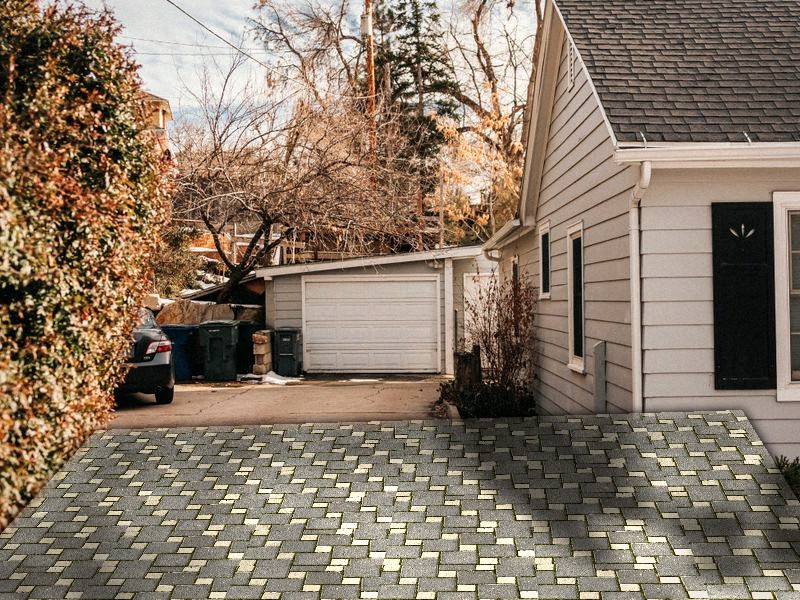
What actually keeps block paving sharp, what's a waste of a Saturday, and the one thing that does real damage.
The one thing to avoid
Do not attack the joints with a pressure washer on full power. It blasts out the jointing sand, which is what stops the blocks moving. Once the sand's gone the blocks rock, the edges chip, and weeds get a foothold. Wash on a wide fan, at an angle, and stay off the joints.
What actually works
A stiff brush and a bucket of warm water with a splash of washing-up liquid removes most of what builds up over a year. For moss and algae, a proper patio cleaner left to dwell for twenty minutes does more than an hour of scrubbing. Do it in autumn before the wet season, not in spring after it.
Re-sanding
Every three to four years, brush fresh kiln-dried or polymeric sand into the joints on a dry day and compact it in. This is the single highest-value hour of maintenance a block driveway gets, and almost nobody does it.
Sealing: worth it or not?
Optional. A sealer deepens the colour and makes oil spills easier to lift, but it needs redoing every three to five years and a bad application looks patchy and plasticky. If your drive is a light colour or you park a leaky older car on it, seal it. Otherwise it's genuinely fine unsealed.